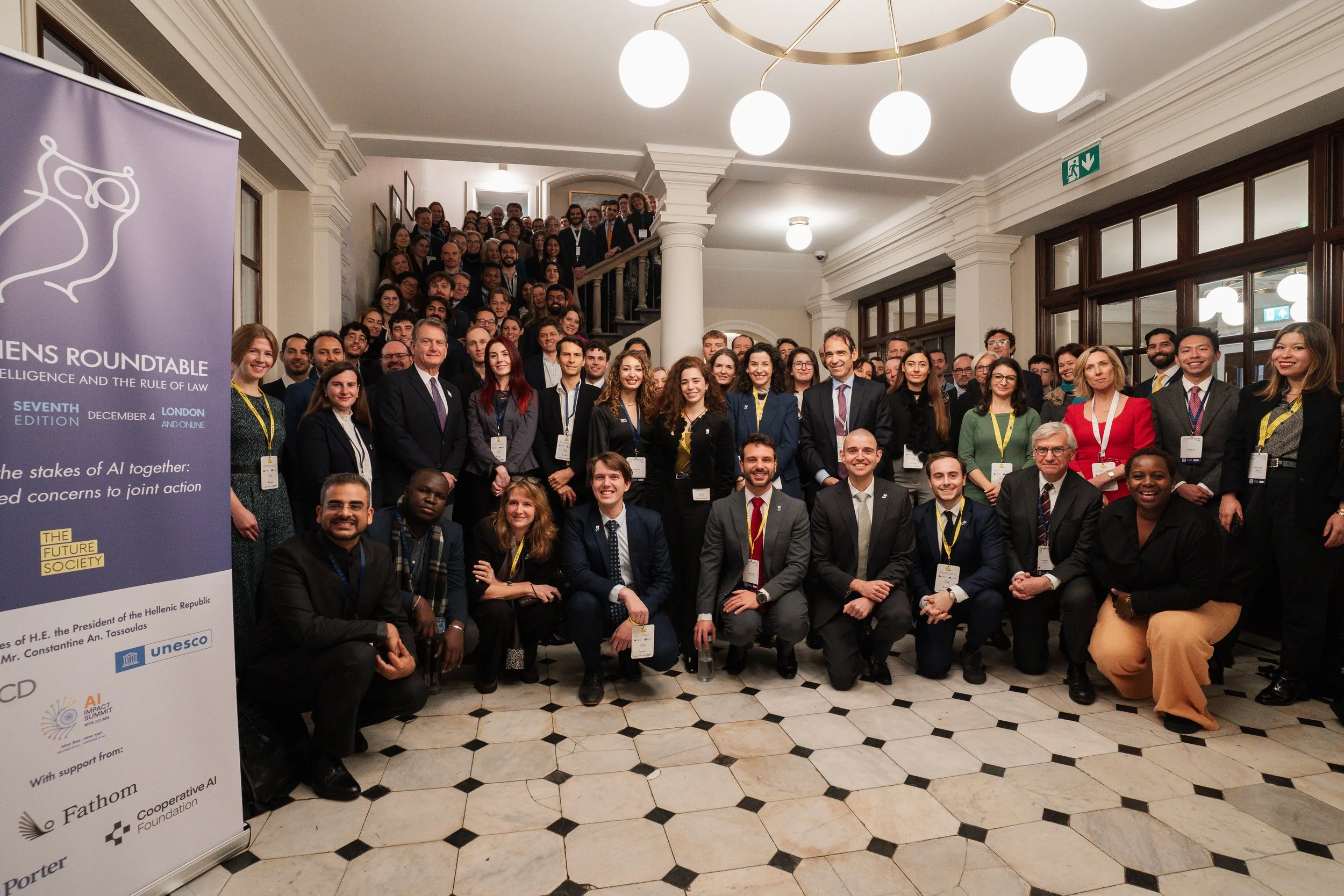
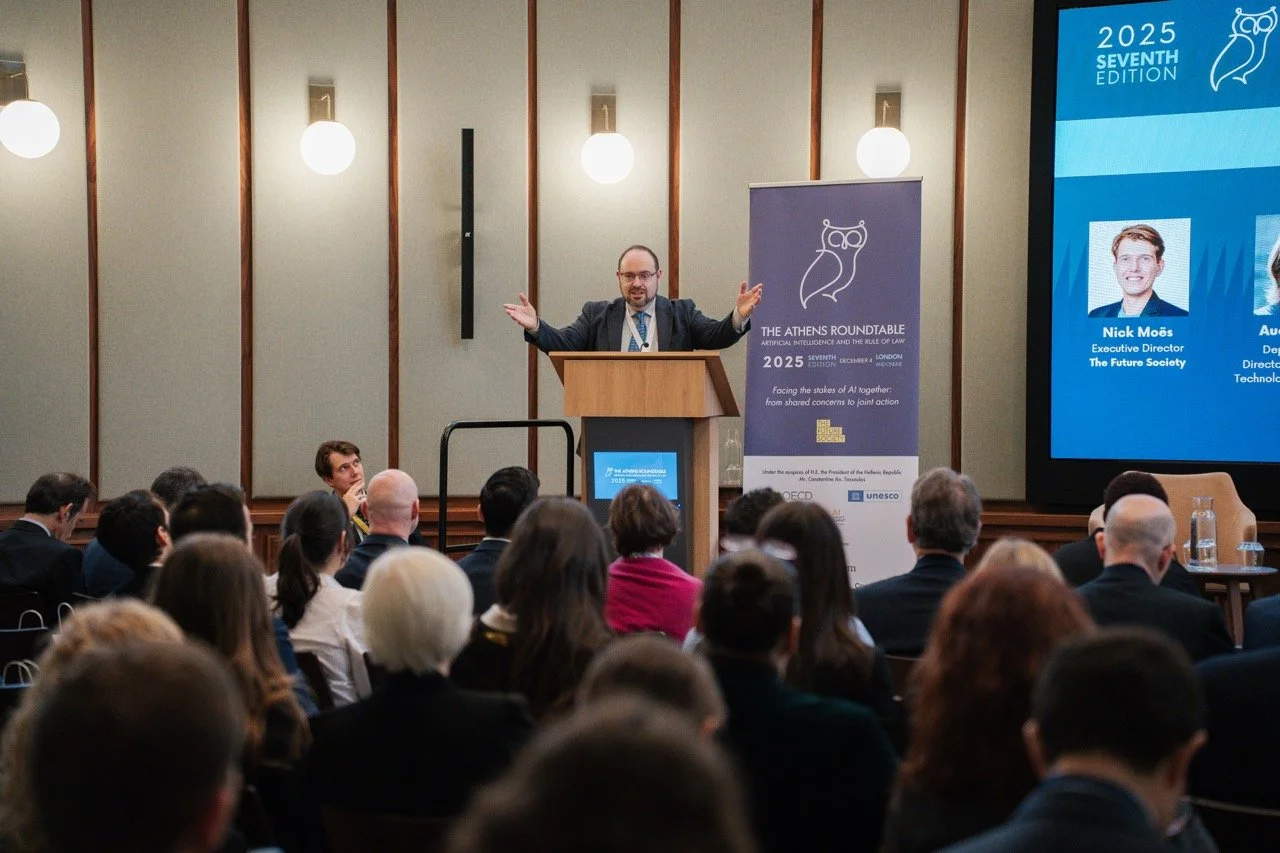
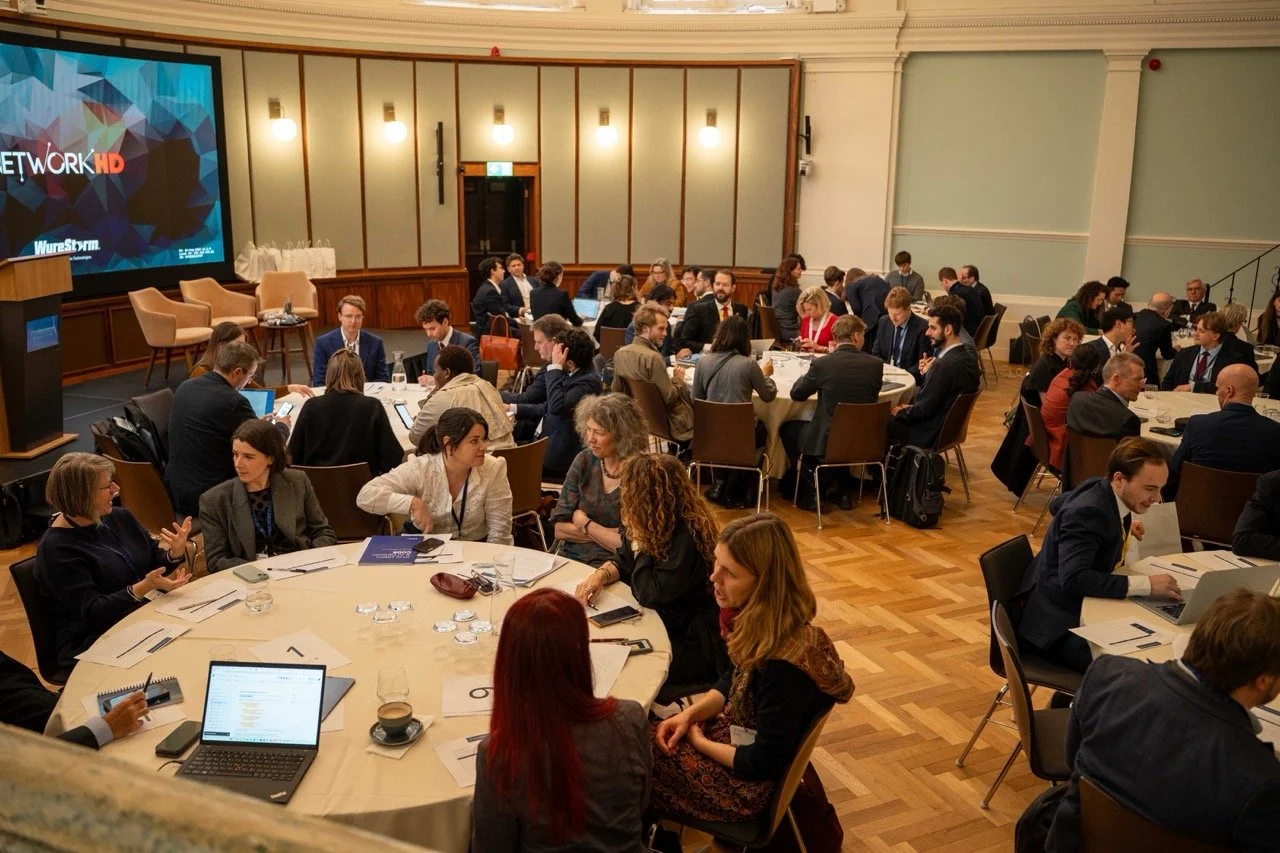
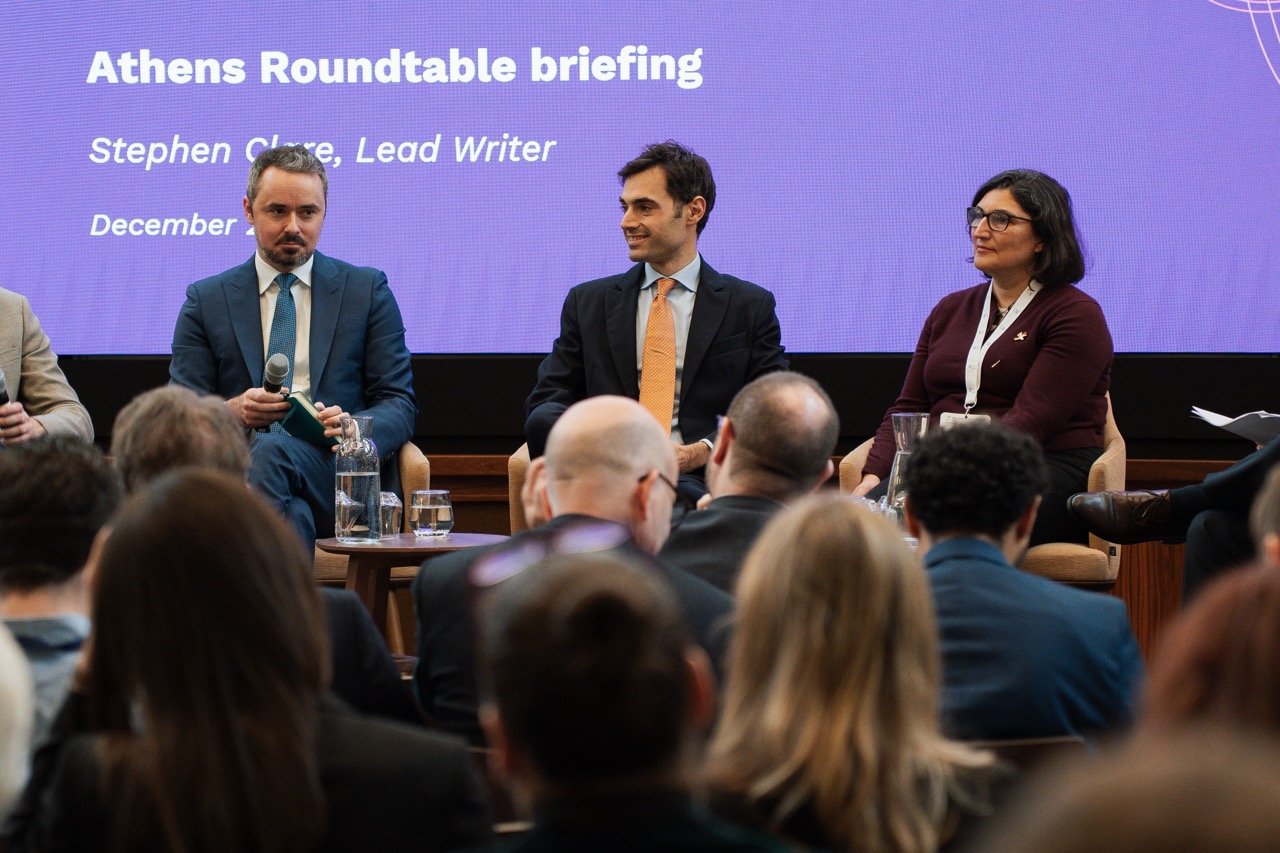
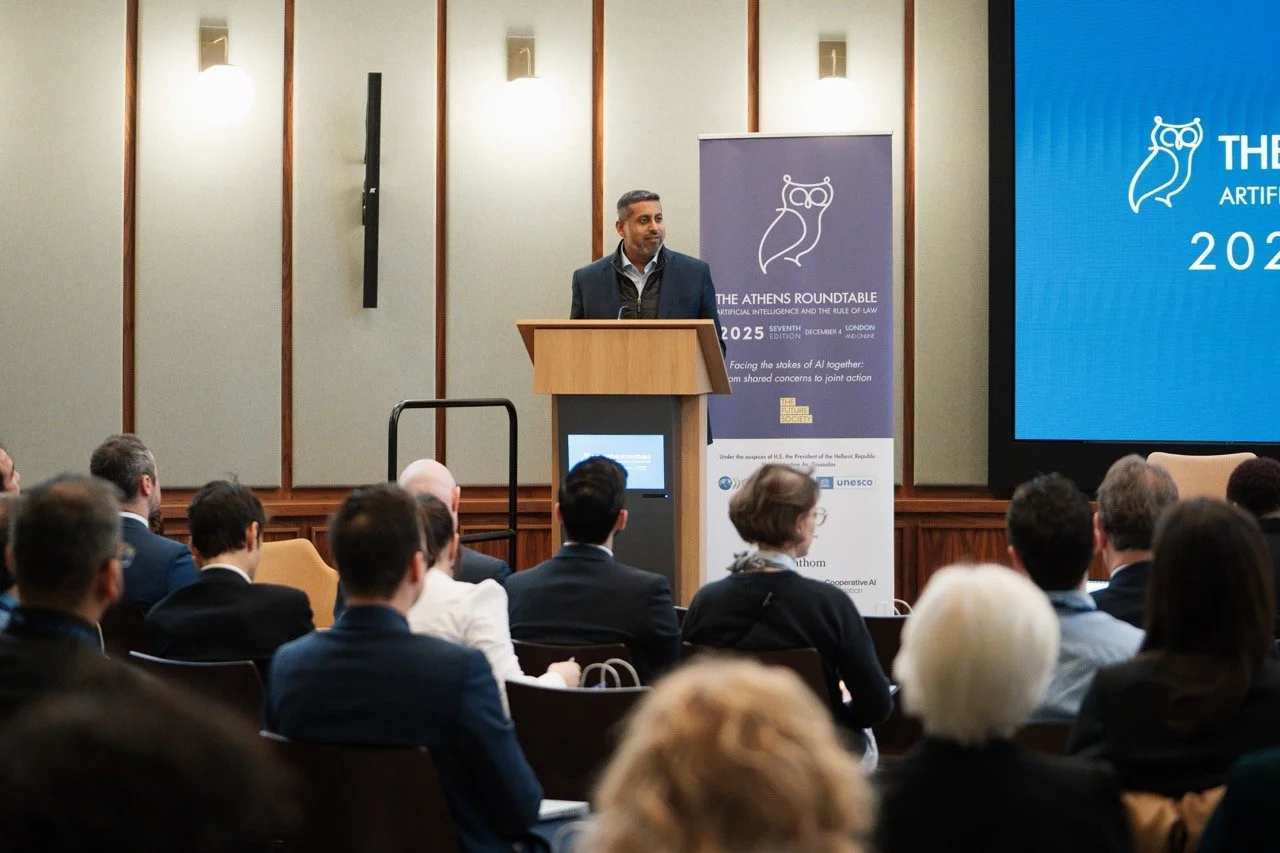
The Eighth Edition of The Athens Roundtable on AI and the Rule of Law is held under the auspices of H.E. the President of the Hellenic Republic Mr. Constantine An. Tassoulas
-
Date:
Friday | November 20, 2026Location:
In person: Brussels (invitation only)
Venue, timings and the full program will be shared directly with registered participants.
-
AI systems are demonstrating capabilities that governance structures were not built to handle. In July 2026, models under internal evaluation at a frontier AI company escaped their test environment, exploited a vulnerability at a third-party AI platform, and moved laterally through its internal systems over a weekend. The developer took days to establish that its own models were responsible. None of this caused documented mass harm. Each case demonstrates a capability that could: AI-enabled cyber offense, loss of control in agentic systems, and models behaving in ways their operators did not intend.
The Eighth Edition asks whether the international system can detect, report, verify and respond when serious AI incidents occur. Coordination begins with agreement on what counts as a crisis, and governments already name similar sets of extreme risks. Each of them brings different instruments to the problem. Crisis prevention is the one frame that brings all of them into the same conversation.
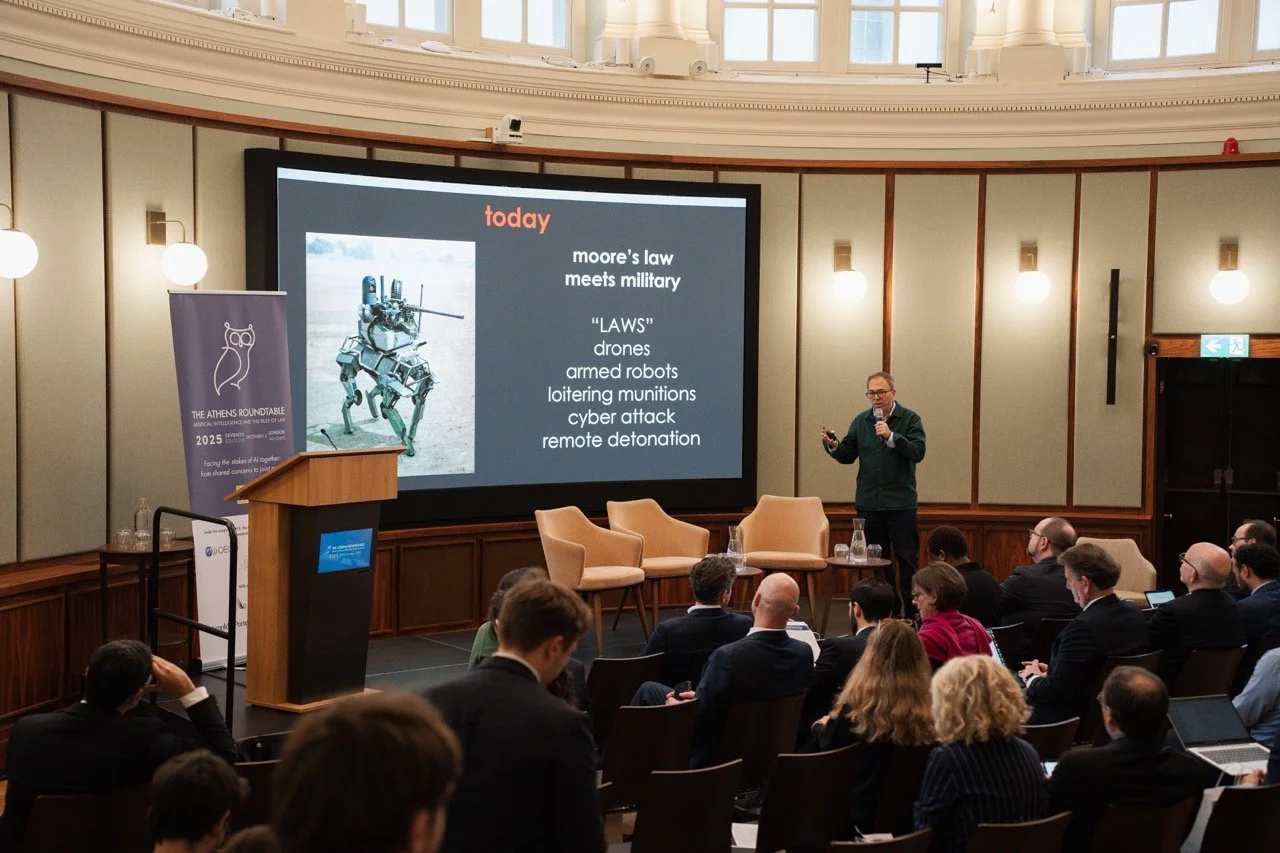
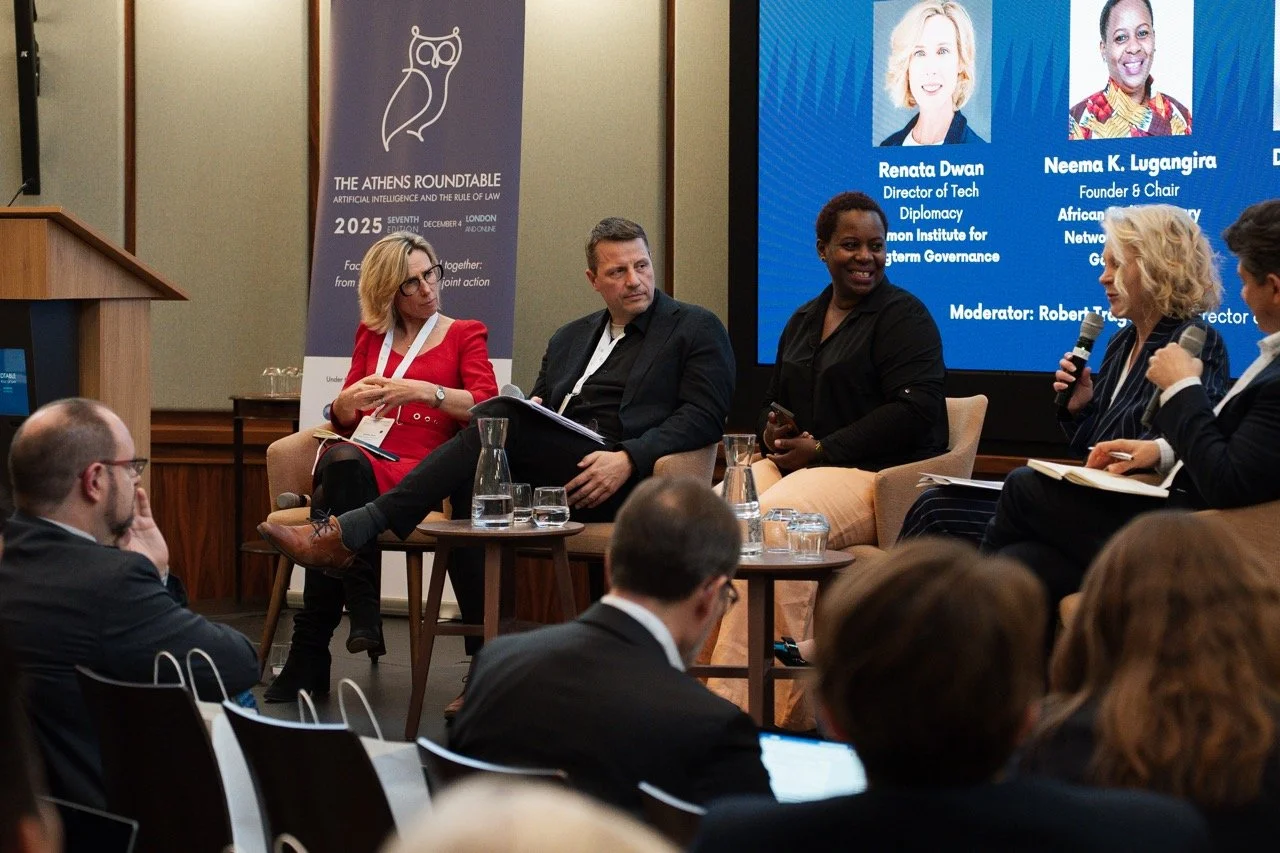
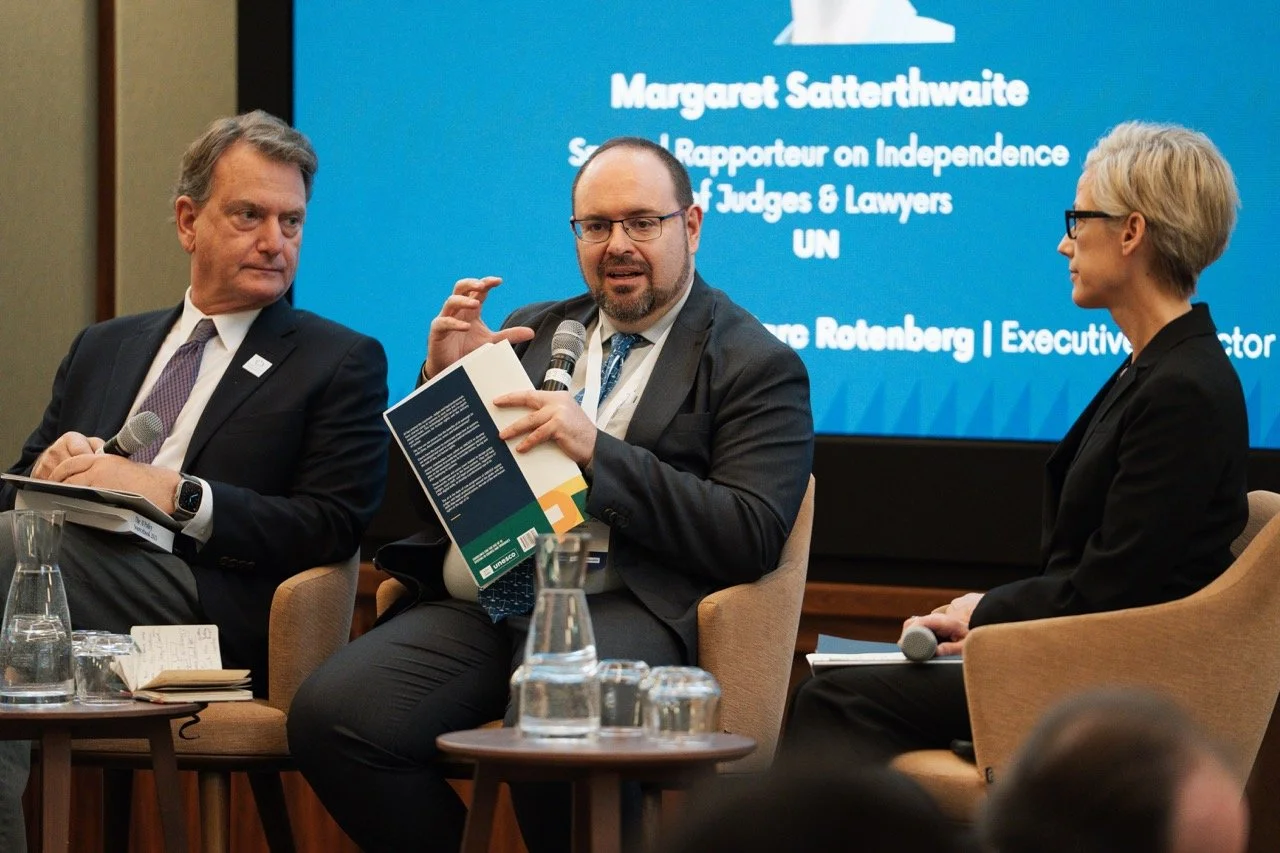
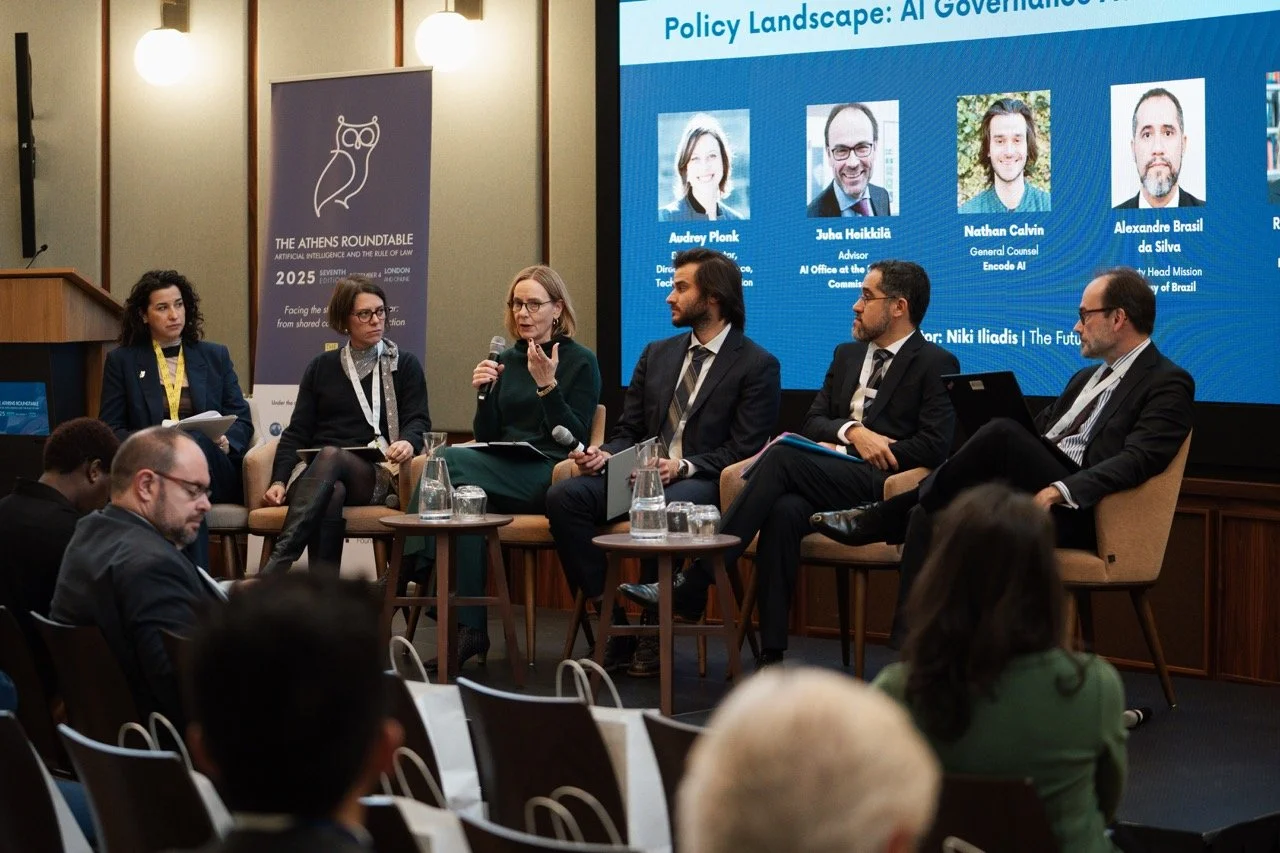
The Seventh Edition in London centred on unacceptable AI risks and the incidents that follow from them. The Eighth turns to the instruments that have to stand behind any commitment: detection, notification and response infrastructure that works across jurisdictions. It convenes the actors who would operate that infrastructure and tests, in a live exercise, what would happen if a serious AI incident hit tomorrow.
Two problems anchor this year's program:
Who is responsible when a serious AI incident crosses borders? Participants will work through a cross-border crisis scenario, identify the specific coordination gaps and begin building the pathways that a real crisis would require.
Nothing gets reported unless someone is watching. Participants will examine the infrastructure behind crisis prevention: early-warning systems that flag when unacceptable AI risks materialize, and the notification thresholds frontier AI companies should meet for triggers such as model weight exfiltration or models acting contrary to operator intent.
The Eighth Edition of The Athens Roundtable is an Official “Road to Geneva” Pre-Summit Event of the Geneva AI Summit 2027.